0
0
0
Richard L. Trumka Protecting the Right to Organize Act of 2025
3/25/2025, 4:01 PM
Summary of Bill HR 20
Bill 119 HR 20, also known as the Protecting the Right to Organize (PRO) Act, is a piece of legislation aimed at amending several key labor laws in the United States. The bill seeks to strengthen workers' rights to organize and collectively bargain, as well as to address various issues related to labor management relations.
Specifically, the PRO Act proposes amendments to the National Labor Relations Act, the Labor Management Relations Act of 1947, and the Labor-Management Reporting and Disclosure Act of 1959. These amendments include provisions to protect workers' rights to join a union, to prevent employers from interfering with union activities, and to establish penalties for violations of these rights.
Additionally, the bill includes measures to streamline the union election process, to provide for arbitration in cases of labor disputes, and to prohibit employers from engaging in certain unfair labor practices. The PRO Act also aims to strengthen protections for workers who engage in strikes or other forms of collective action. Overall, the PRO Act is intended to empower workers and strengthen the labor movement in the United States. Supporters of the bill argue that it is necessary to address the growing income inequality and to ensure that workers have a voice in the workplace. Critics, on the other hand, have raised concerns about the potential impact of the bill on businesses and the economy. As of now, the PRO Act has been introduced in the House of Representatives as Bill 119 HR 20 and is currently under consideration by Congress. It remains to be seen whether the bill will be passed into law and what its implications will be for labor relations in the United States.
Specifically, the PRO Act proposes amendments to the National Labor Relations Act, the Labor Management Relations Act of 1947, and the Labor-Management Reporting and Disclosure Act of 1959. These amendments include provisions to protect workers' rights to join a union, to prevent employers from interfering with union activities, and to establish penalties for violations of these rights.
Additionally, the bill includes measures to streamline the union election process, to provide for arbitration in cases of labor disputes, and to prohibit employers from engaging in certain unfair labor practices. The PRO Act also aims to strengthen protections for workers who engage in strikes or other forms of collective action. Overall, the PRO Act is intended to empower workers and strengthen the labor movement in the United States. Supporters of the bill argue that it is necessary to address the growing income inequality and to ensure that workers have a voice in the workplace. Critics, on the other hand, have raised concerns about the potential impact of the bill on businesses and the economy. As of now, the PRO Act has been introduced in the House of Representatives as Bill 119 HR 20 and is currently under consideration by Congress. It remains to be seen whether the bill will be passed into law and what its implications will be for labor relations in the United States.
Read the Full Bill
Current Status of Bill HR 20
Bill HR 20 is currently in the status of Bill Introduced since March 5, 2025. Bill HR 20 was introduced during Congress 119 and was introduced to the House on March 5, 2025. Bill HR 20's most recent activity was Referred to the House Committee on Education and Workforce. as of March 5, 2025
Bipartisan Support of Bill HR 20
Total Number of Sponsors
5Democrat Sponsors
5Republican Sponsors
0Unaffiliated Sponsors
0Total Number of Cosponsors
419Democrat Cosponsors
415Republican Cosponsors
4Unaffiliated Cosponsors
0Policy Area and Potential Impact of Bill HR 20
Primary Policy Focus
Alternate Title(s) of Bill HR 20
To amend the National Labor Relations Act, the Labor Management Relations Act, 1947, and the Labor-Management Reporting and Disclosure Act of 1959, and for other purposes.
To amend the National Labor Relations Act, the Labor Management Relations Act, 1947, and the Labor-Management Reporting and Disclosure Act of 1959, and for other purposes.
Comments
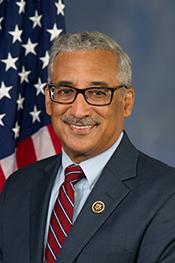
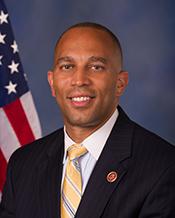
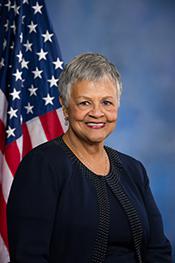
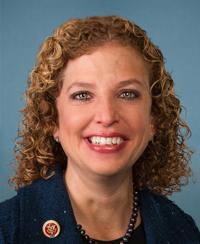
Sponsors and Cosponsors of HR 20


Latest Bills
Biotechnology for All High School Students Act
Bill HR 8268April 17, 2026
To amend the Internal Revenue Code of 1986 to designate copper as an applicable critical mineral and to include ore extraction costs for purposes of the advanced manufacturing production credit.
Bill HR 8277April 17, 2026
To expand the definition of institution of higher education in the Higher Education Act of 1965 with respect to certain graduate medical schools located outside of the United States.
Bill HR 8279April 17, 2026
No Funds for Repeat Child Care Violations Act of 2026
Bill HR 7726April 17, 2026
Child Care Integrity Monitoring Act of 2026
Bill HR 7722April 17, 2026
Closing the Provider Fraud Gap Act
Bill HR 7677April 17, 2026
No Waivers for Fraud Act of 2026
Bill HR 7724April 17, 2026
Safeguarding Taxpayer Dollars in Child Care Act of 2026
Bill HR 7723April 17, 2026
Child Care Payment Integrity and Fraud Accountability Act of 2026
Bill HR 7720April 17, 2026
Stop Child Care Fraud Act of 2026
Bill HR 7725April 17, 2026
Richard L. Trumka Protecting the Right to Organize Act of 2025
Bill S 852March 25, 2025