0
0
0
To eliminate the Federal Insurance Office of the Department of the Treasury, and for other purposes.
2/13/2025, 9:05 AM
Summary of Bill HR 643
Bill 119 HR 643, also known as the "Federal Insurance Office Abolishment Act," aims to eliminate the Federal Insurance Office (FIO) within the Department of the Treasury. The FIO was established in 2010 as part of the Dodd-Frank Wall Street Reform and Consumer Protection Act to monitor the insurance industry and provide expertise on insurance matters to the federal government.
Proponents of the bill argue that the FIO duplicates the efforts of state insurance regulators and is unnecessary, as insurance regulation has traditionally been handled at the state level. They believe that abolishing the FIO will streamline government operations and reduce unnecessary bureaucracy.
Opponents of the bill argue that the FIO plays a crucial role in coordinating federal insurance policy and providing valuable insights on insurance issues that affect consumers and the economy. They believe that eliminating the FIO could weaken federal oversight of the insurance industry and leave gaps in regulation. If passed, the bill would not only eliminate the FIO but also transfer its responsibilities to other existing agencies within the Department of the Treasury. The bill does not specify which agencies would take on these responsibilities or how they would be carried out. Overall, the debate surrounding Bill 119 HR 643 highlights the ongoing tension between federal and state regulation of the insurance industry and raises questions about the most effective way to oversee this important sector of the economy.
Proponents of the bill argue that the FIO duplicates the efforts of state insurance regulators and is unnecessary, as insurance regulation has traditionally been handled at the state level. They believe that abolishing the FIO will streamline government operations and reduce unnecessary bureaucracy.
Opponents of the bill argue that the FIO plays a crucial role in coordinating federal insurance policy and providing valuable insights on insurance issues that affect consumers and the economy. They believe that eliminating the FIO could weaken federal oversight of the insurance industry and leave gaps in regulation. If passed, the bill would not only eliminate the FIO but also transfer its responsibilities to other existing agencies within the Department of the Treasury. The bill does not specify which agencies would take on these responsibilities or how they would be carried out. Overall, the debate surrounding Bill 119 HR 643 highlights the ongoing tension between federal and state regulation of the insurance industry and raises questions about the most effective way to oversee this important sector of the economy.
Congressional Summary of HR 643
Federal Insurance Office Elimination Act
This bill eliminates the Federal Insurance Office (FIO) within the Department of the Treasury. The bill also removes the FIO director as a nonvoting member of the Financial Stability Oversight Council.
Current Status of Bill HR 643
Bill HR 643 is currently in the status of Bill Introduced since January 23, 2025. Bill HR 643 was introduced during Congress 119 and was introduced to the House on January 23, 2025. Bill HR 643's most recent activity was Referred to the House Committee on Financial Services. as of January 23, 2025
Bipartisan Support of Bill HR 643
Total Number of Sponsors
5Democrat Sponsors
0Republican Sponsors
5Unaffiliated Sponsors
0Total Number of Cosponsors
63Democrat Cosponsors
0Republican Cosponsors
63Unaffiliated Cosponsors
0Policy Area and Potential Impact of Bill HR 643
Primary Policy Focus
Alternate Title(s) of Bill HR 643
To eliminate the Federal Insurance Office of the Department of the Treasury, and for other purposes.
To eliminate the Federal Insurance Office of the Department of the Treasury, and for other purposes.
Comments
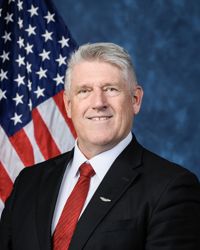
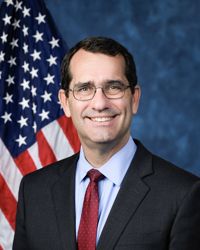
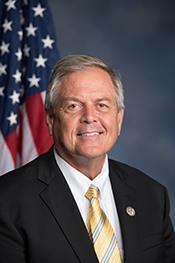
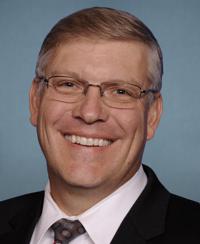
Sponsors and Cosponsors of HR 643


Latest Bills
To authorize the Secretary of Education, in collaboration with the Secretary of Health and Human Services, to establish an interagency advisory Commission on Advancing Restorative Justice in Elementary and Secondary Education, and for other purposes.
Bill HR 8360April 17, 2026
To amend the Higher Education Act of 1965 to remove all adverse credit history related to a loan from the credit history of a borrower who has rehabilitated the loan.
Bill HR 8361April 17, 2026
To reauthorize the YouthBuild program, and for other purposes.
Bill HR 8333April 17, 2026
To raise the Foreign Service mandatory retirement age by aligning it with the Social Security Full Retirement Age, and for other purposes.
Bill HR 8346April 17, 2026
To amend the FISA Amendments Act of 2008 to extend the authorities of title VII of the Foreign Intelligence Surveillance Act of 1978 through April 30, 2026, and for other purposes.
Bill HR 8322April 17, 2026
To amend title II of the Social Security Act to repeal the retirement earnings test, and for other purposes.
Bill HR 8344April 17, 2026
To amend section 133 of title 23, United States Code, to remove a certain State funding set-aside for transportation alternative programs, and for other purposes.
Bill HR 8349April 17, 2026
To amend title XI of the Social Security Act to require the Center for Medicare and Medicaid Innovation to test a model to reduce chronic diseases by using accountable produce is medicine.
Bill HR 8355April 17, 2026
To amend the Federal Food, Drug, and Cosmetic Act to enhance drug manufacturing amount information reporting, and for other purposes.
Bill HR 8339April 17, 2026
Supporting the designation of the week of April 11 through April 17, 2026, as "Black Maternal Health Week", founded by Black Mamas Matter Alliance, Inc. (BMMA), to bring national attention to the maternal and reproductive health crisis in the United States and the importance of reducing maternal mortality and morbidity among Black women and birthing people.
Bill HRES 1183April 17, 2026