0
0
0
To restrict the first-use strike of nuclear weapons.
2/12/2025, 9:00 AM
Summary of Bill HR 669
Bill 119 HR 669, also known as the Restricting First-Use of Nuclear Weapons Act of 2021, aims to limit the President's ability to unilaterally launch a first-use nuclear strike without prior authorization from Congress. The bill states that the President must seek approval from Congress before initiating a nuclear strike, except in cases of an imminent threat to the United States or its allies.
The bill highlights the importance of congressional oversight in decisions regarding the use of nuclear weapons, emphasizing the need for a deliberative process to prevent hasty or impulsive actions that could have catastrophic consequences. It also underscores the principle of checks and balances within the government, ensuring that the power to initiate a nuclear strike is not solely in the hands of the President.
Supporters of the bill argue that it is necessary to prevent the misuse of nuclear weapons and to uphold democratic principles by involving Congress in such critical decisions. They believe that requiring congressional approval for a first-use nuclear strike will promote transparency, accountability, and careful consideration of the potential consequences. Opponents of the bill, on the other hand, may argue that it could limit the President's ability to respond quickly and decisively to a nuclear threat, potentially compromising national security. They may also raise concerns about the practicality of obtaining congressional approval in a time-sensitive situation where immediate action is required. Overall, Bill 119 HR 669 represents a significant effort to address the issue of nuclear weapons use and the balance of power within the government. It reflects ongoing debates about the appropriate role of Congress in decisions related to national security and the use of military force, and it will likely continue to spark discussion and debate among lawmakers and the public.
The bill highlights the importance of congressional oversight in decisions regarding the use of nuclear weapons, emphasizing the need for a deliberative process to prevent hasty or impulsive actions that could have catastrophic consequences. It also underscores the principle of checks and balances within the government, ensuring that the power to initiate a nuclear strike is not solely in the hands of the President.
Supporters of the bill argue that it is necessary to prevent the misuse of nuclear weapons and to uphold democratic principles by involving Congress in such critical decisions. They believe that requiring congressional approval for a first-use nuclear strike will promote transparency, accountability, and careful consideration of the potential consequences. Opponents of the bill, on the other hand, may argue that it could limit the President's ability to respond quickly and decisively to a nuclear threat, potentially compromising national security. They may also raise concerns about the practicality of obtaining congressional approval in a time-sensitive situation where immediate action is required. Overall, Bill 119 HR 669 represents a significant effort to address the issue of nuclear weapons use and the balance of power within the government. It reflects ongoing debates about the appropriate role of Congress in decisions related to national security and the use of military force, and it will likely continue to spark discussion and debate among lawmakers and the public.
Congressional Summary of HR 669
Restricting First Use of Nuclear Weapons Act of 2025
This bill prohibits using federal funds to conduct a first-use nuclear strike unless Congress expressly authorizes such a strike pursuant to a declaration of war. A first-use nuclear strike is an attack using nuclear weapons against an enemy without confirming that there has been a nuclear strike against the United States, its territories, or its allies.
Current Status of Bill HR 669
Bill HR 669 is currently in the status of Bill Introduced since January 23, 2025. Bill HR 669 was introduced during Congress 119 and was introduced to the House on January 23, 2025. Bill HR 669's most recent activity was Referred to the Committee on Foreign Affairs, and in addition to the Committee on Armed Services, for a period to be subsequently determined by the Speaker, in each case for consideration of such provisions as fall within the jurisdiction of the committee concerned. as of January 23, 2025
Bipartisan Support of Bill HR 669
Total Number of Sponsors
2Democrat Sponsors
2Republican Sponsors
0Unaffiliated Sponsors
0Total Number of Cosponsors
16Democrat Cosponsors
16Republican Cosponsors
0Unaffiliated Cosponsors
0Policy Area and Potential Impact of Bill HR 669
Primary Policy Focus
Alternate Title(s) of Bill HR 669
To restrict the first-use strike of nuclear weapons.
To restrict the first-use strike of nuclear weapons.
Comments
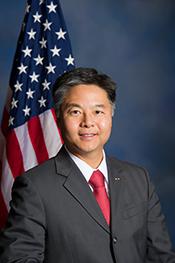
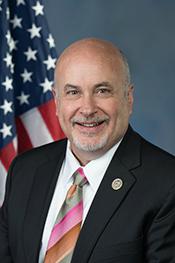
Sponsors and Cosponsors of HR 669



Latest Bills
Biotechnology for All High School Students Act
Bill HR 8268April 17, 2026
To amend the Internal Revenue Code of 1986 to designate copper as an applicable critical mineral and to include ore extraction costs for purposes of the advanced manufacturing production credit.
Bill HR 8277April 17, 2026
To expand the definition of institution of higher education in the Higher Education Act of 1965 with respect to certain graduate medical schools located outside of the United States.
Bill HR 8279April 17, 2026
No Funds for Repeat Child Care Violations Act of 2026
Bill HR 7726April 17, 2026
Child Care Integrity Monitoring Act of 2026
Bill HR 7722April 17, 2026
Closing the Provider Fraud Gap Act
Bill HR 7677April 17, 2026
No Waivers for Fraud Act of 2026
Bill HR 7724April 17, 2026
Safeguarding Taxpayer Dollars in Child Care Act of 2026
Bill HR 7723April 17, 2026
Child Care Payment Integrity and Fraud Accountability Act of 2026
Bill HR 7720April 17, 2026
Stop Child Care Fraud Act of 2026
Bill HR 7725April 17, 2026