0
0
0
Expanding AI Voices Act
2/12/2026, 4:08 AM
Summary of Bill HR 7158
The Expanding AI Voices Act, introduced in the 119th Congress as H.R. 7158 on January 20, 2026, aims to address issues related to artificial intelligence. The bill likely focuses on expanding the application of AI technology in various sectors and promoting diverse voices and perspectives in AI development and deployment. Specific provisions and directives outlined in the bill include measures to enhance AI access, usage, and representation, potentially through funding opportunities, research initiatives, or regulatory frameworks. For more detailed information, the official PDF version of the bill can be accessed at https://www.congress.gov/119/bills/hr7158/BILLS-119hr7158ih.pdf.
Read the Full Bill
Current Status of Bill HR 7158
Bill HR 7158 is currently in the status of Bill Introduced since January 20, 2026. Bill HR 7158 was introduced during Congress 119 and was introduced to the House on January 20, 2026. Bill HR 7158's most recent activity was Referred to the House Committee on Science, Space, and Technology. as of January 20, 2026
Bipartisan Support of Bill HR 7158
Total Number of Sponsors
1Democrat Sponsors
1Republican Sponsors
0Unaffiliated Sponsors
0Total Number of Cosponsors
4Democrat Cosponsors
2Republican Cosponsors
2Unaffiliated Cosponsors
0Policy Area and Potential Impact of Bill HR 7158
Primary Policy Focus
Alternate Title(s) of Bill HR 7158
To support a broad and diverse interdisciplinary research community for the advancement of artificial intelligence (AI) and AI-powered innovation through partnerships and capacity building at certain institutions of higher education and other institutions to expand AI capacity in populations historically underrepresented in STEM, and for other purposes.
To support a broad and diverse interdisciplinary research community for the advancement of artificial intelligence (AI) and AI-powered innovation through partnerships and capacity building at certain institutions of higher education and other institutions to expand AI capacity in populations historically underrepresented in STEM, and for other purposes.
Comments
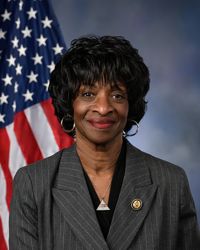
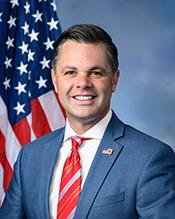
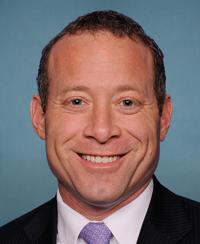
Sponsors and Cosponsors of HR 7158

Latest Bills
Commission on Equity and Reconciliation in the Uniformed Services Act
Bill S 3691February 13, 2026
$2.50 for America’s 250th Act
Bill HR 5616February 13, 2026
Department of Homeland Security Intelligence and Analysis Training Act
Bill HR 7436February 13, 2026
PrEP Assistance Program Act
Bill HR 7385February 13, 2026
Ensuring Access to Medicaid Buy-in Programs Act of 2026
Bill S 3690February 13, 2026
Preventing Mass Casualties from Release of Hydrofluoric Acid at Refineries Act of 2026
Bill HR 7384February 13, 2026
School Bus Stop-Arm Safety Camera Act
Bill HR 7204February 13, 2026
Maximizing Transportation Efficiency Act
Bill S 3694February 13, 2026
Safeguard American Voter Eligibility Act
Bill S 1383February 13, 2026
PREVENT DIABETES Act
Bill S 3692February 13, 2026