0
0
0
Defund the CFPB Act
2/26/2025, 5:23 AM
Summary of Bill HR 814
Bill 119 HR 814, also known as the "Zero CFPB Funding Act," aims to amend the Consumer Financial Protection Act of 2010 by limiting the amount that the Director of the Bureau of Consumer Financial Protection can request to fund the activities of the Bureau to $0. This means that the Bureau would no longer be able to request any funding from Congress to carry out its responsibilities.
The bill is a response to concerns about the size and scope of the Bureau, which some critics argue has overstepped its authority and become too powerful. By limiting the Bureau's funding to zero, supporters of the bill hope to rein in what they see as excessive regulation and government intervention in the financial sector.
If passed, the bill would have significant implications for the Bureau's ability to enforce consumer protection laws and regulations. Without funding, the Bureau would likely struggle to carry out its mission effectively, potentially leaving consumers vulnerable to financial fraud and abuse. Supporters of the bill argue that limiting the Bureau's funding is necessary to promote a more free market approach to financial regulation. Critics, however, warn that defunding the Bureau could weaken consumer protections and harm the financial well-being of American consumers. Overall, Bill 119 HR 814 represents a contentious debate over the role of government in regulating the financial industry and protecting consumers. The outcome of this bill will have far-reaching implications for the future of financial regulation in the United States.
The bill is a response to concerns about the size and scope of the Bureau, which some critics argue has overstepped its authority and become too powerful. By limiting the Bureau's funding to zero, supporters of the bill hope to rein in what they see as excessive regulation and government intervention in the financial sector.
If passed, the bill would have significant implications for the Bureau's ability to enforce consumer protection laws and regulations. Without funding, the Bureau would likely struggle to carry out its mission effectively, potentially leaving consumers vulnerable to financial fraud and abuse. Supporters of the bill argue that limiting the Bureau's funding is necessary to promote a more free market approach to financial regulation. Critics, however, warn that defunding the Bureau could weaken consumer protections and harm the financial well-being of American consumers. Overall, Bill 119 HR 814 represents a contentious debate over the role of government in regulating the financial industry and protecting consumers. The outcome of this bill will have far-reaching implications for the future of financial regulation in the United States.
Congressional Summary of HR 814
Defund the CFPB Act
This bill caps funding of the Consumer Financial Protection Bureau at $0.
Read the Full Bill
Current Status of Bill HR 814
Bill HR 814 is currently in the status of Bill Introduced since January 28, 2025. Bill HR 814 was introduced during Congress 119 and was introduced to the House on January 28, 2025. Bill HR 814's most recent activity was Referred to the House Committee on Financial Services. as of January 28, 2025
Bipartisan Support of Bill HR 814
Total Number of Sponsors
2Democrat Sponsors
0Republican Sponsors
2Unaffiliated Sponsors
0Total Number of Cosponsors
5Democrat Cosponsors
0Republican Cosponsors
5Unaffiliated Cosponsors
0Policy Area and Potential Impact of Bill HR 814
Primary Policy Focus
Alternate Title(s) of Bill HR 814
To amend the Consumer Financial Protection Act of 2010 to limit to $0 the amount that the Director of the Bureau of Consumer Financial Protection may request to fund the activities of the Bureau.
To amend the Consumer Financial Protection Act of 2010 to limit to $0 the amount that the Director of the Bureau of Consumer Financial Protection may request to fund the activities of the Bureau.
Comments
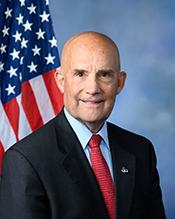
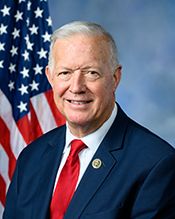
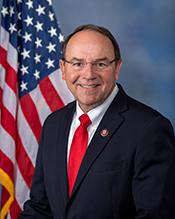
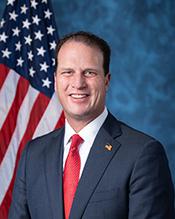
Sponsors and Cosponsors of HR 814


Latest Bills
Biotechnology for All High School Students Act
Bill HR 8268April 17, 2026
To amend the Internal Revenue Code of 1986 to designate copper as an applicable critical mineral and to include ore extraction costs for purposes of the advanced manufacturing production credit.
Bill HR 8277April 17, 2026
To expand the definition of institution of higher education in the Higher Education Act of 1965 with respect to certain graduate medical schools located outside of the United States.
Bill HR 8279April 17, 2026
No Funds for Repeat Child Care Violations Act of 2026
Bill HR 7726April 17, 2026
Child Care Integrity Monitoring Act of 2026
Bill HR 7722April 17, 2026
Closing the Provider Fraud Gap Act
Bill HR 7677April 17, 2026
No Waivers for Fraud Act of 2026
Bill HR 7724April 17, 2026
Safeguarding Taxpayer Dollars in Child Care Act of 2026
Bill HR 7723April 17, 2026
Child Care Payment Integrity and Fraud Accountability Act of 2026
Bill HR 7720April 17, 2026
Stop Child Care Fraud Act of 2026
Bill HR 7725April 17, 2026