0
0
0
Mortgage Debt Tax Forgiveness Act of 2025
3/5/2025, 5:08 AM
Summary of Bill HR 917
Bill 119 HR 917, also known as the Mortgage Forgiveness Tax Relief Act, aims to amend the Internal Revenue Code of 1986 to permanently exclude from gross income the discharge of qualified principal residence indebtedness. This means that individuals who have had their mortgage debt forgiven by a lender would not have to pay taxes on the forgiven amount.
The bill seeks to provide relief to homeowners who have faced financial hardship and had to negotiate with their lenders to forgive a portion of their mortgage debt. Currently, this exclusion is only temporary and has been extended multiple times since its initial enactment in 2007.
By making this exclusion permanent, the bill aims to provide certainty and stability to homeowners who may find themselves in a similar situation in the future. It also aims to prevent homeowners from facing a hefty tax bill on top of their financial struggles. Overall, Bill 119 HR 917 seeks to provide much-needed relief to homeowners facing financial hardship and ensure that they are not burdened with additional taxes on forgiven mortgage debt.
The bill seeks to provide relief to homeowners who have faced financial hardship and had to negotiate with their lenders to forgive a portion of their mortgage debt. Currently, this exclusion is only temporary and has been extended multiple times since its initial enactment in 2007.
By making this exclusion permanent, the bill aims to provide certainty and stability to homeowners who may find themselves in a similar situation in the future. It also aims to prevent homeowners from facing a hefty tax bill on top of their financial struggles. Overall, Bill 119 HR 917 seeks to provide much-needed relief to homeowners facing financial hardship and ensure that they are not burdened with additional taxes on forgiven mortgage debt.
Congressional Summary of HR 917
Mortgage Debt Tax Forgiveness Act of 2025
This bill makes permanent the exclusion of the discharge of qualified principal residence indebtedness from gross income for federal tax purposes.
Under current law, a taxpayer may generally exclude from gross income up to $750,000 (or $375,000 if married but filing a separate federal tax return) from the discharge of indebtedness that is (1) incurred to purchase, build, or substantially improve a principal residence (or refinance such indebtedness); and (2) secured by the principal residence. The discharge must currently occur before January 1, 2026, and some limitations apply.
Read the Full Bill
Current Status of Bill HR 917
Bill HR 917 is currently in the status of Bill Introduced since February 4, 2025. Bill HR 917 was introduced during Congress 119 and was introduced to the House on February 4, 2025. Bill HR 917's most recent activity was Referred to the House Committee on Ways and Means. as of February 4, 2025
Bipartisan Support of Bill HR 917
Total Number of Sponsors
1Democrat Sponsors
1Republican Sponsors
0Unaffiliated Sponsors
0Total Number of Cosponsors
0Democrat Cosponsors
0Republican Cosponsors
0Unaffiliated Cosponsors
0Policy Area and Potential Impact of Bill HR 917
Primary Policy Focus
Alternate Title(s) of Bill HR 917
To amend the Internal Revenue Code of 1986 to make permanent the exclusion from gross income of discharge of qualified principal residence indebtedness.
To amend the Internal Revenue Code of 1986 to make permanent the exclusion from gross income of discharge of qualified principal residence indebtedness.
Comments
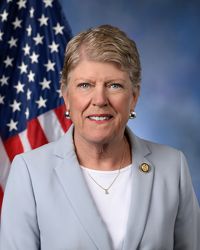
Sponsors and Cosponsors of HR 917
Latest Bills
Biotechnology for All High School Students Act
Bill HR 8268April 17, 2026
To amend the Internal Revenue Code of 1986 to designate copper as an applicable critical mineral and to include ore extraction costs for purposes of the advanced manufacturing production credit.
Bill HR 8277April 17, 2026
To expand the definition of institution of higher education in the Higher Education Act of 1965 with respect to certain graduate medical schools located outside of the United States.
Bill HR 8279April 17, 2026
No Funds for Repeat Child Care Violations Act of 2026
Bill HR 7726April 17, 2026
Child Care Integrity Monitoring Act of 2026
Bill HR 7722April 17, 2026
Closing the Provider Fraud Gap Act
Bill HR 7677April 17, 2026
No Waivers for Fraud Act of 2026
Bill HR 7724April 17, 2026
Safeguarding Taxpayer Dollars in Child Care Act of 2026
Bill HR 7723April 17, 2026
Child Care Payment Integrity and Fraud Accountability Act of 2026
Bill HR 7720April 17, 2026
Stop Child Care Fraud Act of 2026
Bill HR 7725April 17, 2026