0
1

Protect Elections from Deceptive AI Act

4/15/2025, 4:23 AM

Summary of Bill S 1213

Bill 119 s 1213, also known as the "Deepfake Prohibition Act," aims to prevent the spread of misleading AI-generated audio or visual content that could impact elections. The bill specifically targets deepfake technology, which can create realistic but false videos or audio recordings of individuals, including candidates for Federal office.

If passed, the bill would make it illegal to distribute deepfake content that is intended to deceive viewers or manipulate public opinion about a candidate running for Federal office. This includes videos or audio recordings that falsely depict a candidate saying or doing something they did not actually say or do.

The legislation is designed to protect the integrity of elections and ensure that voters have access to accurate information about candidates. By prohibiting the distribution of materially deceptive deepfake content, the bill aims to prevent the spread of misinformation and safeguard the democratic process. In addition to prohibiting the distribution of deepfakes related to Federal candidates, the bill may also include provisions for enforcement and penalties for those who violate the law. This could involve fines or other legal consequences for individuals or organizations found to be distributing misleading AI-generated content. Overall, Bill 119 s 1213 seeks to address the growing threat of deepfake technology in the political sphere and protect the integrity of elections by preventing the dissemination of deceptive audio or visual media.

Congressional Summary of S 1213

Protect Elections from Deceptive AI Act

This bill prohibits the distribution of materially deceptive audio or visual media that is generated by artificial intelligence (AI) relating to federal candidates.

The bill generally prohibits individuals, political committees, and other entities from knowingly distributing materially deceptive AI-generated audio or visual media in carrying out a federal election activity or of a federal candidate for the purpose of (1) influencing an election, or (2) soliciting funds. This prohibition does not apply to certain entities, such as radio or television broadcasting stations that broadcast such media with disclosures as part of a bona fide newscast.

The bill also permits a federal candidate whose voice or likeness appears in such materially deceptive AI-generated audio or visual media to bring a civil action for injunctive relief or damages.
Current Status of Bill S 1213

Bill S 1213 is currently in the status of Bill Introduced since March 31, 2025. Bill S 1213 was introduced during Congress 119 and was introduced to the Senate on March 31, 2025.  Bill S 1213's most recent activity was Read twice and referred to the Committee on Rules and Administration. as of March 31, 2025

Bipartisan Support of Bill S 1213

Total Number of Sponsors
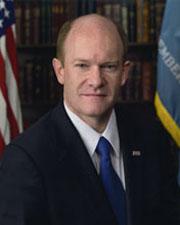
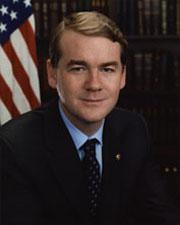
2
Democrat Sponsors
2
Republican Sponsors
0
Unaffiliated Sponsors
0
Total Number of Cosponsors
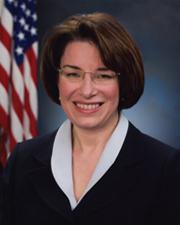
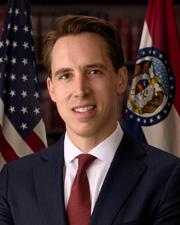
4
Democrat Cosponsors
2
Republican Cosponsors
2
Unaffiliated Cosponsors
0

Policy Area and Potential Impact of Bill S 1213

Primary Policy Focus

Alternate Title(s) of Bill S 1213

A bill to prohibit the distribution of materially deceptive AI-generated audio or visual media relating to candidates for Federal office, and for other purposes.

Comments

Latest Bills

To amend title III of the Public Health Service Act to ensure that Federally-qualified health centers are not required to pay more than the 340B ceiling price for covered outpatient drugs at the time of purchase.
Bill HR 7391February 11, 2026
To amend the Consolidated Farm and Rural Development Act to reauthorize certain water infrastructure grants, and for other purposes.
Bill HR 7476February 11, 2026
To direct the Administrator of the Federal Emergency Management Agency to submit a monthly report on the status of all projects and activities funded through the Disaster Relief Fund, and for other purposes.
Bill HR 7461February 11, 2026
Electing a Member to a certain standing committee of the House of Representatives.
Bill HRES 1048February 11, 2026
To amend the Internal Revenue Code of 1986 to allow certain distributions from long-term qualified tuition programs for first home purchases, and for other purposes.
Bill HR 7468February 11, 2026
To authorize civil actions against institutions of higher education and athletic associations that negligently or recklessly permit a biologically male student athlete to compete in an athletic competition intended exclusively for female student athletes, resulting in harm.
Bill HR 7368February 11, 2026
ROUTE Act
Bill HR 6642February 11, 2026
To amend section 477 of the Social Security Act to increase the maximum education and training voucher amount and provide greater support for foster youth pursuing postsecondary education.
Bill HR 7463February 11, 2026
Recognizing the cultural and historical significance of Mardi Gras and the celebration's origins in Mobile, Alabama.
Bill HRES 1051February 11, 2026
Home School Graduation Recognition Act
Bill HR 6392February 11, 2026