0
0
0
A bill to amend the Federal Reserve Act to limit the ability of Federal Reserve banks to issue central bank digital currency.
2/7/2025, 11:56 AM
Summary of Bill S 464
Bill 119 s 464, also known as the "Federal Reserve Digital Currency Limitation Act," is a proposed piece of legislation that aims to amend the Federal Reserve Act in order to restrict the ability of Federal Reserve banks to issue central bank digital currency (CBDC).
The bill seeks to address concerns about the potential risks and implications of introducing a CBDC, which is a form of digital currency issued by a central bank. Proponents of the bill argue that allowing Federal Reserve banks to issue CBDC could have negative consequences for the stability of the financial system and could potentially undermine the role of traditional banks in the economy.
If passed, the bill would impose limitations on the Federal Reserve's ability to create and distribute CBDC, effectively preventing them from moving forward with any plans to introduce a digital currency. This would ensure that the current financial system remains intact and that traditional banks continue to play a central role in the economy. Overall, Bill 119 s 464 represents a significant effort to regulate the development of digital currencies by central banks and to ensure that any potential risks associated with CBDC issuance are carefully considered and addressed.
The bill seeks to address concerns about the potential risks and implications of introducing a CBDC, which is a form of digital currency issued by a central bank. Proponents of the bill argue that allowing Federal Reserve banks to issue CBDC could have negative consequences for the stability of the financial system and could potentially undermine the role of traditional banks in the economy.
If passed, the bill would impose limitations on the Federal Reserve's ability to create and distribute CBDC, effectively preventing them from moving forward with any plans to introduce a digital currency. This would ensure that the current financial system remains intact and that traditional banks continue to play a central role in the economy. Overall, Bill 119 s 464 represents a significant effort to regulate the development of digital currencies by central banks and to ensure that any potential risks associated with CBDC issuance are carefully considered and addressed.
Congressional Summary of S 464
No Central Bank Digital Currency Act or the No CBDC Act
This bill generally prohibits the Federal Reserve Board, Federal Reserve Banks, the Department of the Treasury, and other agencies from issuing or using a central bank digital currency.
Current Status of Bill S 464
Bill S 464 is currently in the status of Bill Introduced since February 6, 2025. Bill S 464 was introduced during Congress 119 and was introduced to the Senate on February 6, 2025. Bill S 464's most recent activity was Read twice and referred to the Committee on Banking, Housing, and Urban Affairs. as of February 6, 2025
Bipartisan Support of Bill S 464
Total Number of Sponsors
1Democrat Sponsors
0Republican Sponsors
1Unaffiliated Sponsors
0Total Number of Cosponsors
2Democrat Cosponsors
0Republican Cosponsors
2Unaffiliated Cosponsors
0Policy Area and Potential Impact of Bill S 464
Primary Policy Focus
Alternate Title(s) of Bill S 464
A bill to amend the Federal Reserve Act to limit the ability of Federal Reserve banks to issue central bank digital currency.
A bill to amend the Federal Reserve Act to limit the ability of Federal Reserve banks to issue central bank digital currency.
Comments
Sponsors and Cosponsors of S 464
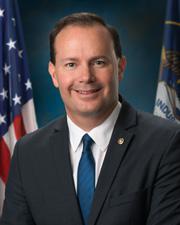
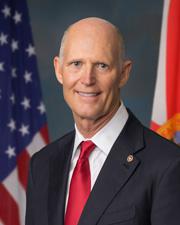
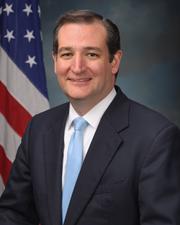
Latest Bills
Providing for consideration of the bill (H.R. 8035) to amend the FISA Amendments Act of 2008 to extend the authorities of title VII of the Foreign Intelligence Surveillance Act of 1978 through October 20, 2027, and for other purposes.
Bill HRES 1175April 17, 2026
Social Determinants for Moms Act
Bill S 4149April 17, 2026
FARM Stability Act
Bill S 4249April 17, 2026
Investing in All of America Act of 2025
Bill HR 2066April 17, 2026
Providing for congressional disapproval under chapter 8 of title 5, United States Code, of the rule submitted by the Bureau of Land Management relating to Public Land Order No. 7917 for Withdrawal of Federal Lands; Cook, Lake, and Saint Louis Counties, MN.
Bill HJRES 140April 17, 2026
A joint resolution to direct the removal of United States Armed Forces from hostilities within or against the Islamic Republic of Iran that have not been authorized by Congress.
Bill SJRES 123April 17, 2026
A joint resolution to direct the removal of United States Armed Forces from hostilities within or against the Islamic Republic of Iran that have not been authorized by Congress.
Bill SJRES 116April 17, 2026
A joint resolution to direct the removal of United States Armed Forces from hostilities within or against the Islamic Republic of Iran that have not been authorized by Congress.
Bill SJRES 181April 17, 2026
A joint resolution to direct the removal of United States Armed Forces from hostilities within or against the Islamic Republic of Iran that have not been authorized by Congress.
Bill SJRES 183April 17, 2026
A joint resolution to direct the removal of United States Armed Forces from hostilities within or against the Islamic Republic of Iran that have not been authorized by Congress.
Bill SJRES 171April 17, 2026
Saving Privacy Act
Bill HR 2155March 31, 2025
Saving Privacy Act
Bill S 809March 26, 2025
No CBDC Act
Bill HR 1430March 18, 2025