0
1
1
Empowering Employer Child and Elder Care Solutions Act
4/23/2025, 1:32 PM
Summary of Bill HR 2270
Bill 119 HR 2270, also known as the Fair Labor Standards Act of 1938 Amendment, aims to make a change to the way overtime compensation is calculated for employees who receive child and dependent care services and payments. The bill proposes to exclude these services and payments from the rate used to compute overtime compensation.
Currently, under the Fair Labor Standards Act of 1938, employers are required to pay employees at least one and a half times their regular rate of pay for any hours worked over 40 in a workweek. However, the inclusion of child and dependent care services and payments in the calculation of overtime compensation can lead to higher costs for employers and potentially discourage them from offering these important benefits to their employees.
By excluding child and dependent care services and payments from the rate used to compute overtime compensation, this bill aims to incentivize employers to provide these services to their employees without incurring additional costs. This could ultimately benefit working parents and caregivers who rely on these services to balance their work and family responsibilities. Overall, Bill 119 HR 2270 seeks to promote a more family-friendly workplace by ensuring that employees who receive child and dependent care services and payments are not penalized when it comes to overtime compensation. It will be interesting to see how this proposed amendment to the Fair Labor Standards Act of 1938 progresses through the legislative process and what impact it may have on working families across the country.
Currently, under the Fair Labor Standards Act of 1938, employers are required to pay employees at least one and a half times their regular rate of pay for any hours worked over 40 in a workweek. However, the inclusion of child and dependent care services and payments in the calculation of overtime compensation can lead to higher costs for employers and potentially discourage them from offering these important benefits to their employees.
By excluding child and dependent care services and payments from the rate used to compute overtime compensation, this bill aims to incentivize employers to provide these services to their employees without incurring additional costs. This could ultimately benefit working parents and caregivers who rely on these services to balance their work and family responsibilities. Overall, Bill 119 HR 2270 seeks to promote a more family-friendly workplace by ensuring that employees who receive child and dependent care services and payments are not penalized when it comes to overtime compensation. It will be interesting to see how this proposed amendment to the Fair Labor Standards Act of 1938 progresses through the legislative process and what impact it may have on working families across the country.
Read the Full Bill
Current Status of Bill HR 2270
Bill HR 2270 is currently in the status of Bill Introduced since March 21, 2025. Bill HR 2270 was introduced during Congress 119 and was introduced to the House on March 21, 2025. Bill HR 2270's most recent activity was Ordered to be Reported (Amended) by the Yeas and Nays: 18 - 13. as of April 9, 2025
Bipartisan Support of Bill HR 2270
Total Number of Sponsors
8Democrat Sponsors
0Republican Sponsors
8Unaffiliated Sponsors
0Total Number of Cosponsors
12Democrat Cosponsors
3Republican Cosponsors
9Unaffiliated Cosponsors
0Policy Area and Potential Impact of Bill HR 2270
Primary Policy Focus
Labor and EmploymentAlternate Title(s) of Bill HR 2270
To amend the Fair Labor Standards Act of 1938 to exclude child and dependent care services and payments from the rate used to compute overtime compensation.
To amend the Fair Labor Standards Act of 1938 to exclude child and dependent care services and payments from the rate used to compute overtime compensation.
Comments
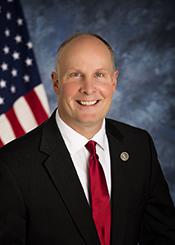
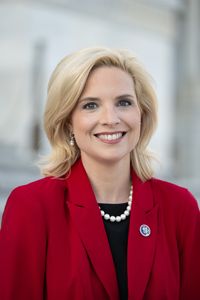
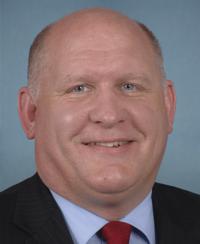
Sponsors and Cosponsors of HR 2270



Latest Bills
Wild Olympics Wilderness and Wild and Scenic Rivers Act
Bill S 1737December 4, 2025
DUMP Red Tape Act
Bill HR 4305December 4, 2025
BOWOW Act
Bill HR 4638December 4, 2025
Ensuring Casualty Assistance for our Firefighters Act
Bill HR 4671December 4, 2025
Electric Supply Chain Act
Bill HR 3638December 4, 2025
SCORE Act
Bill HR 4312December 4, 2025
Power Plant Reliability Act of 2025
Bill HR 3632December 4, 2025
Transparency in Reporting of Adversarial Contributions to Education Act
Bill HR 1049December 4, 2025
To require public elementary and secondary schools to disclose certain funds received from, or contracts with, a foreign source, and for other purposes.
Bill HR 1005December 4, 2025
Small Business Regulatory Reduction Act of 2025
Bill HR 2965December 4, 2025